Most creators don’t stop because they want to.
They stop because they have to.
Since 2021, life in corporate gave me some real highlights, new skills, and the kind of speed you only get by being thrown into the deep end. I’m genuinely grateful for that season. But the urgent kept expanding until it crowded out the essential. Spiritual balance. Health. The slower work that actually grows the craft.
The pause in this newsletter wasn’t disinterest; it was a bandwidth issue. Too many dials spinning, and not enough time to check whether they still pointed to reality.
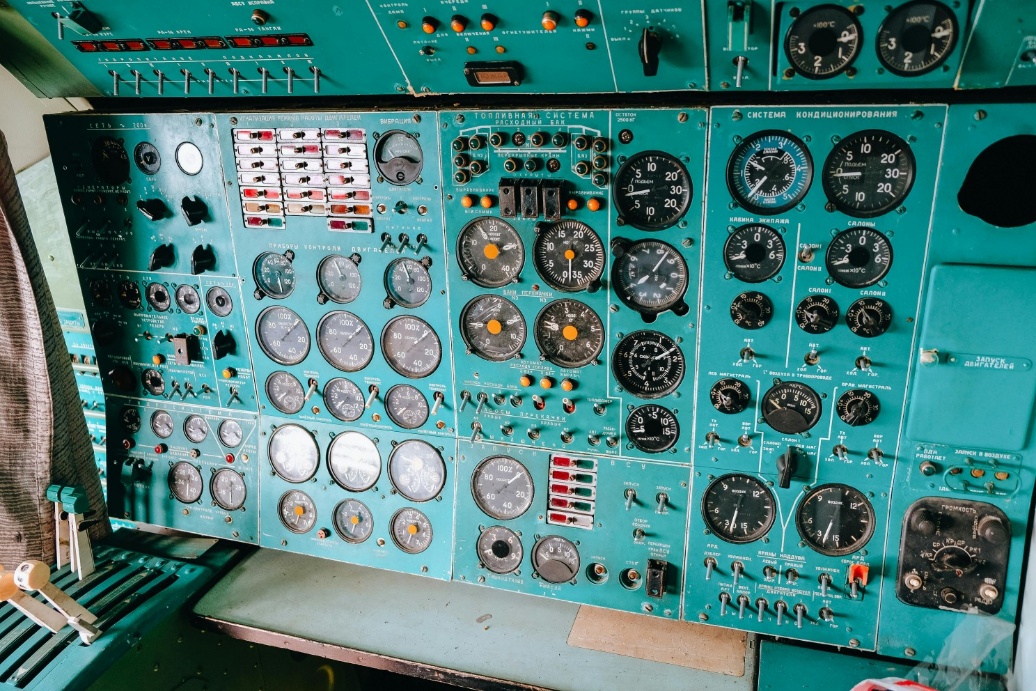
A thought came to me about the Bureau of Standards Jamaica, and the breadth of work that goes into keeping national quality systems steady. In the Metrology Division is a team that focuses on calibration i.e. checking whether instruments are still telling the truth.
Scales drift. Gauges wander. A tiny error in the morning can become a catastrophic mistake by afternoon. Calibration brings everything back to a trusted reference so the numbers mean what they claim to mean. That picture stuck with me.
I needed something similar.
Not a rebrand. Not theatrics.
A recalibration.
Reset
Reset begins with honesty. If you never stop to read the panel, you will keep turning knobs that do not matter.
Here is what I finally admitted to myself.
Activity had become camouflage. My calendar looked heroic. Meetings, drafts, campaigns, late-night “one more edit”. I called it commitment, but it was also a hiding place. If I filled every hour, I could avoid the big, intimidating work: building a business with my name on the invoice, taking up space in rooms with clients who operate at scale, letting my ideas stand on their own. Busyness gave me a convenient alibi.
I was shrinking behind the myth of safety. We are told the stable path is the safe one. Turn up, keep your head down, do the right thing, and you’ll be fine. I learned first-hand that “stable” is a story organisations tell until the numbers say otherwise. There is wisdom in steady work, yes, but the safety blanket had become a blindfold. I needed to see again.
The future I was rehearsing did not look like a life. Picture a family in that world. Too busy to spend time with my mate. Perhaps, someday a burnt-out father with nothing left by 7 p.m. A flat battery dragging itself to the charger each week. That image hurt. It also helped. You cannot build a life around the people you love if you keep placing them in the margins. In my case, I knew I had a choice.
My reference had drifted. For me, that reference is Bible-based. When that moves to the edges, the day gets noisier and my decisions turn reactive. I want what I claim to value to show up on my calendar, not just in my mouth.
Reset meant stripping away the noise, facing the drift head-on, and giving myself permission to start again with clarity (even if it brought with it uncertainties).
Refocus
Refocus is returning to the reference that does not move, then letting everything else align around it.
Here is what that looks like for me.
Make time for the more important things first. Not when the inbox allows it. First. Bible reading, personal study, prayer. Engaging in the ministry. Room for rest, friendship, and the small acts that keep my conscience clean, and my head clear. When those are in place, my day breathes. When they are absent, the day runs me.
Reorder the work so it serves the life. I am stepping away from the 9 to 5 model for a while. Not as a rebellious charge, but as a thoughtful test. I want my creative and professional activity to surround, and fund, my theocratic work. That is the non-negotiable axis. The rest of the wheel can turn freely, but the hub stays still.
Choose presence over omnipresence. I will not be everywhere. I will be where the work is real and the relationships survive an algorithm change. Fewer rooms. Clearer voice. Better conversations.
Replace bravado with practice. I am leaving space to stretch the craft again. Not just grand campaigns and nebulous "productivity". Daily, visible effort. Small pieces that look like play but build capability. Less theatre. More training.
Refocus is not becoming smaller. It is becoming aligned. Trade-offs get cleaner. What used to feel like FOMO starts to feel like focus.
Return
Recalibration is not just about work rhythms or publishing cadences. For me, return means stepping back into life with a clearer compass.
It means returning to spiritual activity as the fixed point everything else revolves around. It means being present with people I love instead of just “available” when the schedule allows. It means building systems in my business that support the life I want to live, not the other way around.
The return is not to noise or speed. It is to balance. To a way of living where content creation, client work, wellness, and rest all find their place under a bigger order of priorities.
That looks different for each of us. For me, it means structuring my days so I can serve in the ministry, nurture relationships, and still sharpen my craft. For you, it may look like reclaiming evenings, cutting a channel, or saying no to one more “urgent” thing that doesn’t actually move the dial.
Return is not about going back. It is about re-entering with alignment and living in step with what matters most.
The instrument, tuned
Calibration has a close cousin: tuning. It’s the same idea in another domain. You check yourself against a reliable reference so what comes out is true.

Think of a simple instrument. You can practise for hours, but if it isn’t tuned, all that effort just teaches your ear to accept the wrong pitch. Tuning isn’t flair; it’s what makes the practice count. Life works the same way. Align to the reference, then play. Check again, then play. Short, regular turns keep the sound honest.
Two gentle truths help here:
1) Tune to the reference… and to the room. Yes, you start with a fixed note. But once you’re in the room with other people, you listen and make small adjustments so everything sits well together. Same with work. I hold to an unchanging reference (my Bible-based priorities), then I pay attention to the people I serve. If my “perfect” plan clashes with reality, the audience hears the wobble. The aim is harmony, not stubbornness.
2) Expect drift while you’re playing, not just between songs. Heat, movement, time… they all pull a string a little off. Goals do this too once they meet real calendars, clients, cash flow. Build in micro-retunes: a five-minute check at midday, a quiet reset at week’s end. You’re not failing if you adjust mid-piece. You’re being attentive.
One last thing musicians learn quickly: you don’t fix a sour note by playing harder. You fix it by listening better, then making a small, precise change. That’s recalibration in a sentence.
A few snapshots of recalibration in the wild
Not promises. Not prescriptions. Just practical patterns you could try, and feel within a few weeks.
1) If you lead a brand and feel spread thin You might narrow active channels from “everywhere” to two that actually convert, set two daily response windows (late morning, late afternoon), and protect a three-hour focus block in the team calendar. Likely results: fewer fake emergencies, cleaner deliverables, decisions that move budgets.
2) If you’re an independent designer with feast-or-famine weeks You might reserve Monday mornings for proposals only, turn invoicing into a 15-minute Friday ritual, and add a two-line debrief to each job: “what worked / what repeats”. Likely results: stronger win rate when your brain is fresh, steadier cash flow, reusable patterns instead of reinventing every time.
3) If you run social for a small organisation You might pause daily posting, audit the last 90 days, and find five moments that did most of the work. Rebuild around those with variations, ship one weekly pillar and two lightweight follow-ups. Likely results: engagement that comes from clarity, less calendar panic, more space to listen.
4) If you sell online and trust is slipping You might retire a handful of slow variants, double down on a hero product, and make one clear promise (e.g., next-day dispatch, 30-day returns, no quibbles... that's a funny word isn't it? Anyways). Likely results: fewer choices, faster fulfilment, reviews that mention “service” and “consistent quality”.
5) If you’re a creator burned by endless output You might work in seasons: record a batch in two weeks, edit in one, publish over six to eight, then take a short break to learn and adjust. Likely results: output that feels lighter, content with room to breathe, momentum by design rather than panic.
None of these require a personality transplant. They ask for one brave constraint, a clear reference, and the will to hold that line even when the inbox protests. Adapt the idea to your instrument and your purpose, then let the small, honest turns do their work.
Why this matters if you are burnt out
Because the current “be everywhere” culture quietly punishes people who care about craft. Because you can ship a lot and still say very little. Because omnipresence is expensive, and presence is priceless.
You do not need a 47-step plan to begin. You need honest readings and small, steady corrections. Ten quiet minutes before the house wakes. One evening protected like glass. One obligation trimmed to a humane size. The next hour is a choice, even when the whole month is not.
A brief note I will unpack another time: I am neurodivergent. That reality shapes how I design my days. Low friction. Flexible where it helps. Routines that bend without breaking. If your brain loves novelty or time has a way of being slippery, there is still room for you to reset, refocus, and return. Trust me.
Closing
Reset, so you can see clearly. Refocus, so the day serves the reference. Return, with a cadence you can keep.
I am stepping away from the world of corporate for a while to reprioritise my personal business and the brand-building systems that support the work I am called to do. I want a future where the people I love are not surviving on leftovers. I want the work to be honest, not theatrical. I want the instrument to tell the truth.
Maybe you cannot change course dramatically. Most people cannot. You still have choices about where the next hour goes.
Accuracy over activity. Drift is natural. Correction is chosen. Hold to a reference that does not move.
I will be here, quietly checking the dials and making one more careful turn. If you are recalibrating too, I am cheering for you.
Until next time,
Velton
Want more essays like this?
Creator's Current is published on LinkedIn. Subscribe to get new issues in your feed.
This piece is part of Creator's Current, Velton Gooden Jr.'s ongoing series on creativity, digital presence, storytelling, and practical systems. Originally published on LinkedIn: View on LinkedIn