About
I work across multiple lanes on purpose. They keep teaching each other.
Storytelling, digital execution, voice, systems, and business strategy. Most people pick one and stay there. I ended up at the intersection of all of them, partly by curiosity, partly because the same problem kept showing up wearing different clothes.
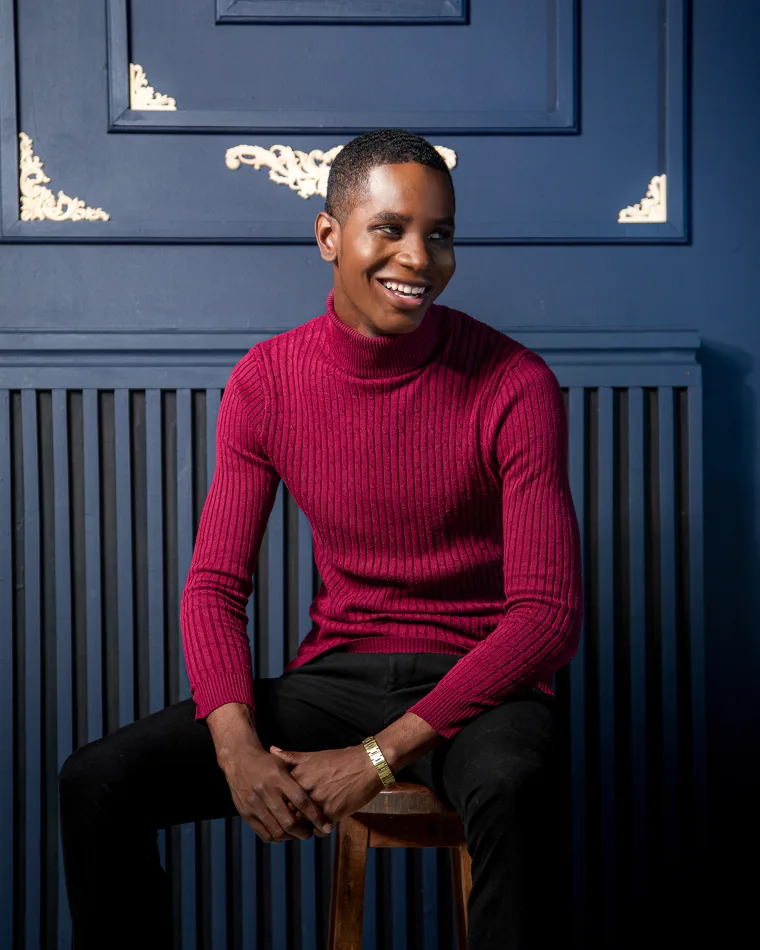
It started with words. Then sound, pictures, websites, and systems all wandered in.
I have been fascinated by communication for as long as I can remember. Not just the ability to speak, but the way some people could take an abstract thought and shape it into a phrase that stuck.
As a kid in Jamaica, I read dictionaries and thesauruses for fun (which, if you were wondering, is a strong early sign that you might be a logophile, saving you the Google trip). I devoured documentaries, magazines, my sister’s high school literature books, and once the family computer arrived, hours of articles on whatever caught me that week. If a word or idea slipped past me, I refused to let it stay slippery.
Somewhere in there, a copy of Madagascar (2005) showed me the “Special Features” menu, and that quietly changed everything. The film I had been laughing at was not just there. It had been made, frame by frame, by people. From that point on I did not just want to watch stories. I wanted to make them.
Stick figure comics in the back pages of school notebooks came first. (Trust me, the art was not phenomenal.) Then poetry, quietly entered under a pen name, half-convinced I would not place, somehow won the Wolmer’s Boys’ Poetry Competition twice (2017, 2018), and a short-story prize in 2019. Writing turned out to be the medium where my ambition and my ability finally met.
Marketing entered the chat after that. A career-fair brochure for a Bachelor of Science in Marketing at UCC clicked something into place: marketing is, at its core, strategic storytelling. The same instinct, just pointed at a real-world outcome.
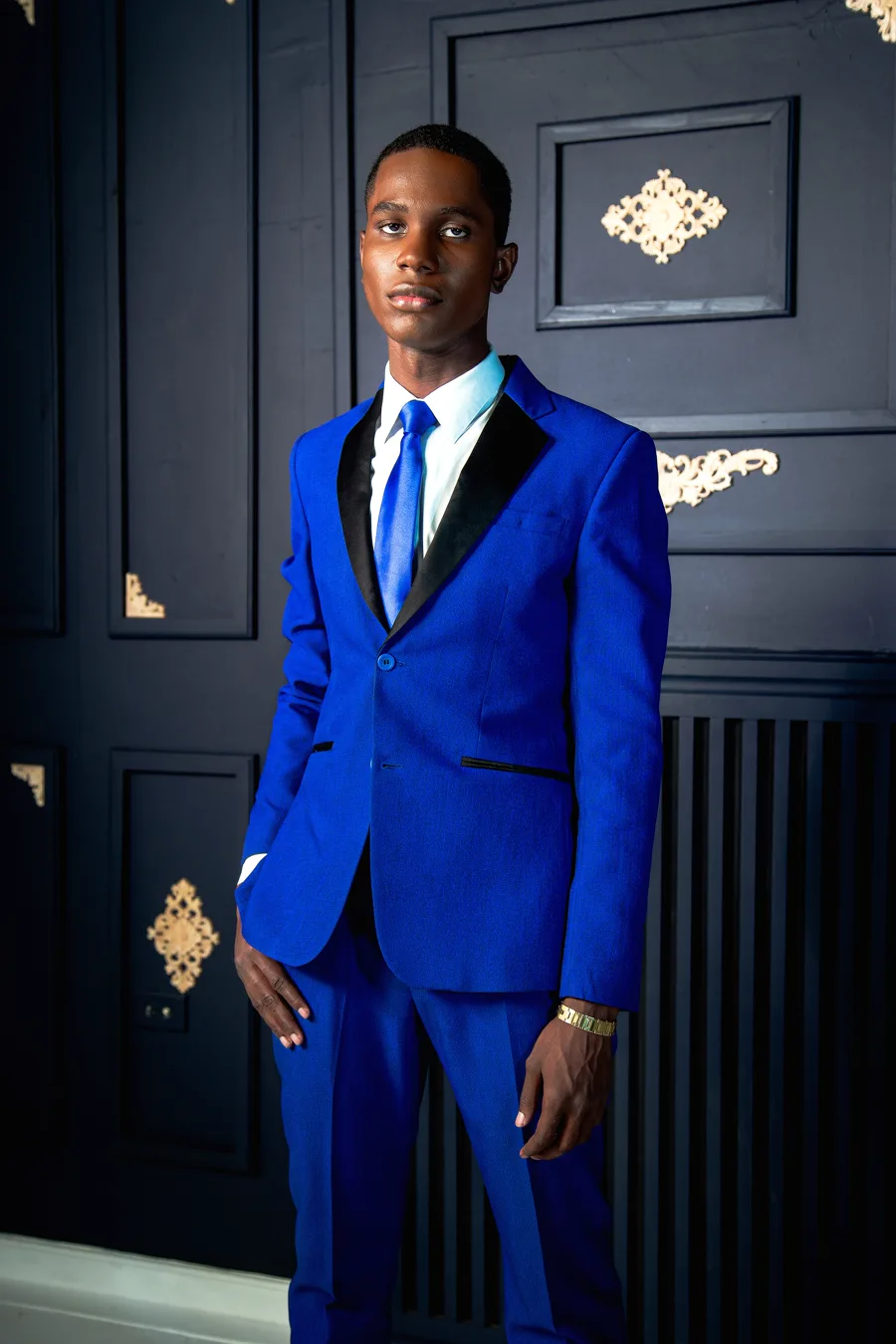
Then the work started asking systems questions.
Over time, the work moved into video editing, voiceover, social content, and websites, first as a creative producer, then as the person also asking how the thing was going to keep working after launch day. Through corporate stints and freelance projects, one pattern kept repeating: technically competent businesses were losing people before a conversation even started, because the online presence was scattered or the handoff between platforms was vague.
That is when systems thinking quietly became part of the toolkit. Internal CMS workflows, listings management, SOPs, tutorial videos for sales teams, bulk uploads, lightweight automations. Later, AI tools (ChatGPT, Claude, Gemini, Codex) joined the workshop, not as a magic button, but as a way to move faster on the procedural parts and protect the creative attention for the parts that actually need it. I am still nerd-curious about scripting, terminal shortcuts, and small bits of code that turn a forty-minute task into a five-minute one. (I am still working on the “put the laptop down” part.)

My creativity makes my systems thinking more human, and my systems thinking makes my creativity more useful.
The creative side helps me understand story, emotion, tone, and attention. The systems side helps me ask what happens next, where things break, and how to make the work easier to repeat. Most of my value sits in that overlap. It does not have a clean job title. It tends to have results.
How I actually work through a problem
Start at the outcome, not the brief
What does success look like for the person who commissioned this? That question usually changes what the work needs to be.
Find the real constraint
Most briefs describe symptoms. The actual problem is usually one layer under. I try to find that before building anything.
Bias toward simplicity
The more complex a solution, the more things can go wrong. I would rather have something that works predictably than something that impresses during the pitch.
Build for handover
If the thing I build only works when I am involved, I have not really fixed anything. The goal is a system the client can run, a message they can understand, a page that keeps working after I leave.
What I am actually good at... (just trust me bro)
Reading a brief properly
Understanding what the client actually needs, not just what they said.
Noticing the broken part
Finding the thing that is technically fine but still not working in practice.
Making complex things clear
Reducing the confusion in a message, an offer, a page, or a system without stripping out what matters.
Narration and voice delivery
Communicating with appropriate tone, pacing, and credibility. A production skill and a communication skill.
Building usable systems
Things that work after setup day because they are designed for how real people actually behave.
Working across disciplines
Holding a creative brief, a systems problem, and a communication goal in the same project without losing any of them.
A few things shape how I show up, beyond the craft.
As one of Jehovah’s Witnesses, my Bible-based values shape how I think about service, stewardship, honesty, balance, and the kind of opportunities I say yes to. I am not the right fit for every brief, and I prefer to be clear about that early rather than awkward about it later.
I have also been shaped by the example and counsel of my father, Dr. Velton Gooden. Watching his discipline, standards, and way of thinking has quietly influenced how I approach communication, learning, and the kind of work I want to be known for. A lot of what I value in steady, careful effort I learned from him long before I had words for it.
Grounded in Jamaica. Working where the problems are.
Most of my work happens in a market that is not well-served by generic digital advice built for Silicon Valley or London. Jamaican businesses face different constraints: different payment behaviours, different communication channels, different trust signals, different infrastructure. The thinking I apply has to survive contact with those realities.
That grounds everything. I do not recommend tools that do not work here. I do not build systems people cannot afford to maintain. I do not write copy for an audience I do not understand.
That is not a limitation. It is the sharpest thing about the work.
If you want to work together or explore a collaboration, start with what you have in mind.
A project, a partnership, a speaking opportunity, or just a question. Send it my way and I will respond clearly.